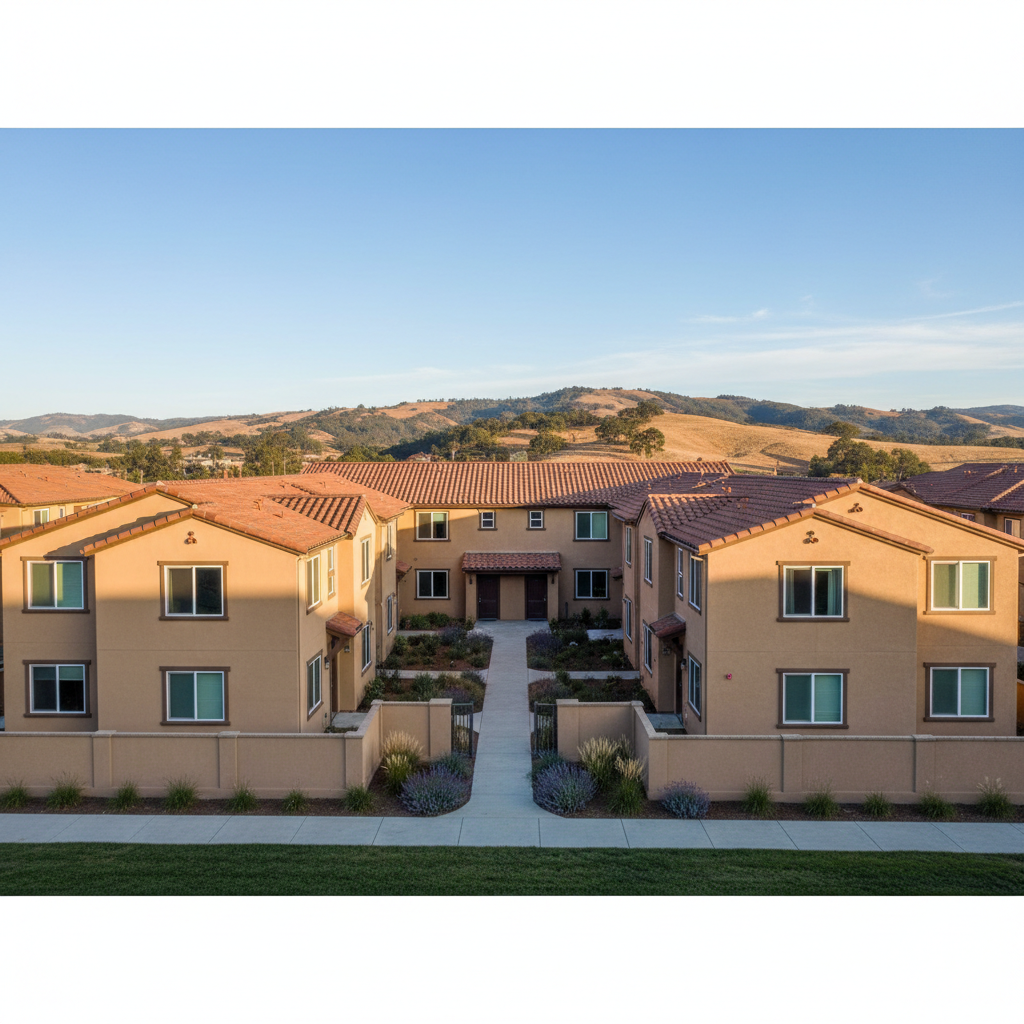
Stucco on a commercial building takes a beating from the Bay Area sun and the occasional heavy winter downpour rolling off the Diablo Range. Property managers handling a retail strip or an office building near the Hub and thinking about a major exterior overhaul need a solid plan before anyone drops a ladder.
Fremont Stucco & Plastering will walk through what the actual process looks like from start to finish so property managers do not get caught off guard.
The Timeline Breakdown
Commercial jobs are not like residential patches. Commercial jobs involve a larger footprint, strict scaffolding requirements, and coordination with tenants' business hours.
Permitting through the City of Fremont usually takes a few weeks depending on their current backlog. Do not skip this part. Once permits clear, setup and framing or lath installation take about a week. Applying the scratch coat, brown coat, and finish coat requires specific curing times between layers. You cannot rush the drying process, especially if morning fog rolls in off the bay and hangs heavy over the work site.
What to Expect While Working
Expect noise, dust, and trucks. Fremont Stucco & Plastering does our best to section off work zones so customers and tenants can still access the building safely.
Scaffolding goes up first, blocking certain windows or entryways temporarily. Our team will coordinate with you on specific access points. You will hear mixing paddles spinning and sprayers running during the application phase. Fremont Stucco & Plastering keeps the site clean daily, but there is no way around the fact that an active construction zone looks messy for a couple of weeks.
How to Prepare Your Property
Clear out any patio furniture, exterior signage, or potted plants near the walls. Shut off external security cameras or motion lights that might get in the way of scaffolding. Talk to your tenants a week in advance so they can warn customers about minor inconveniences like altered walkways or temporary door closures.
Questions to Ask Before You Sign
Never sign a contract until you have cleared up a few important details.
- Are you licensed specifically for commercial scopes in California?
- Who handles the city permits and structural engineering sign-offs if we are altering the substrate?
- What is your exact plan for keeping our tenants' entrances accessible?
- How do you handle weather delays, which happen often enough in our local climate?
Getting these answers in writing saves you from costly headaches down the road and keeps your commercial property looking sharp for many years to come.