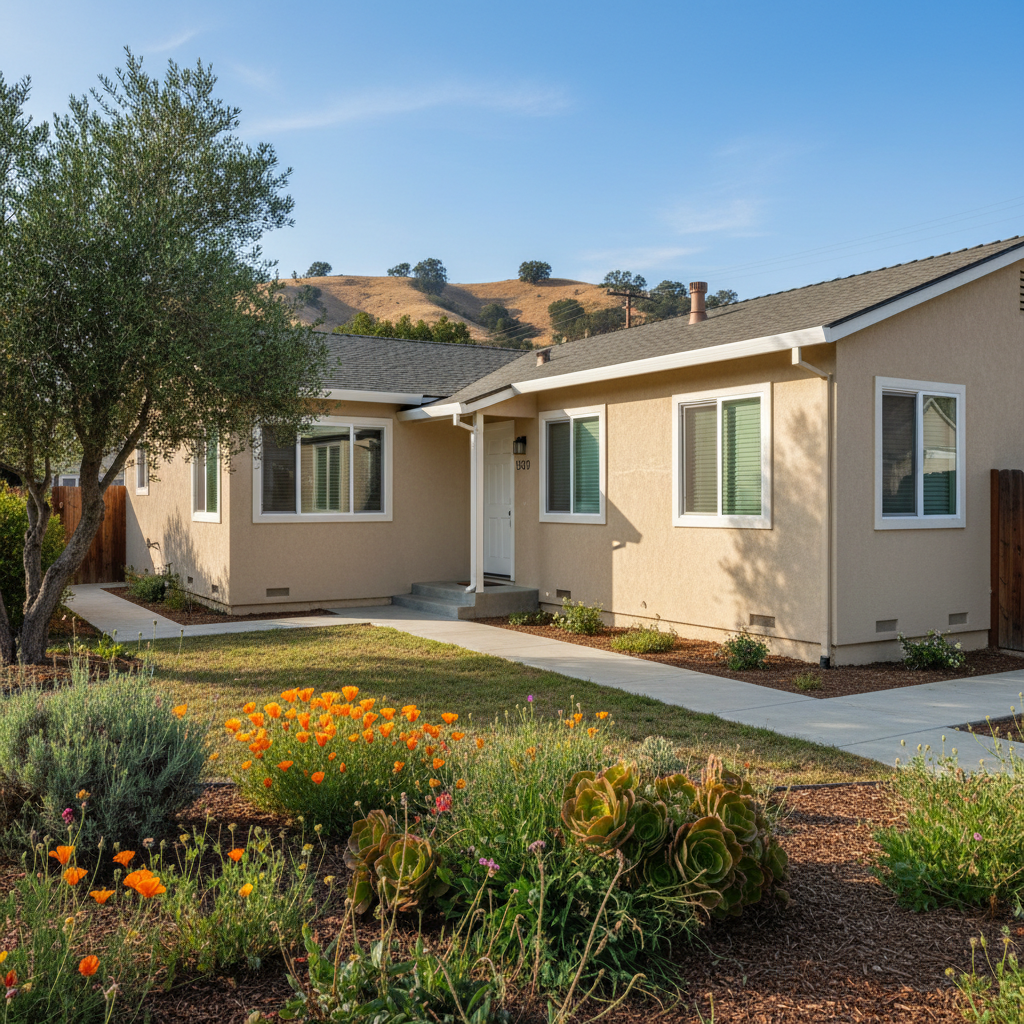
Alright, let's talk about EIFS. If you're looking into Exterior Insulation and Finish Systems for your place — whether it's a home or a commercial building right here in Fremont — you're probably wondering what kind of hit your wallet's going to take. That's a smart question, and frankly, you deserve some straight answers, not just vague estimates.
I've been in this business a long time, and I've seen plenty of EIFS jobs come and go. When it comes to putting EIFS on, you're not just buying a product; you're actually investing in a whole system. This system really boosts your property's energy efficiency, helps it stand up to weather, and makes it look better, too. But yeah, the cost is a huge part of making that decision.
What Really Affects EIFS Pricing?
You can't just throw out a single number for EIFS installation. There are a bunch of things that play into the final price. Think of it like buying a car, you know? A basic model costs less than one loaded with all the bells and whistles.
- Project Size and How Complicated It Is: This is probably the biggest factor. More square footage means more materials and more labor. But it's not just about how big it is. If your building has a lot of architectural details — like curves, cornices, or intricate window cutouts — that really adds to the complexity. Those fancy designs take more time and specialized skill to install correctly, and that, naturally, drives up labor costs.
- Which EIFS System You Choose: There are different types of EIFS out there. Modern systems almost always include a drainage plane and an air/water-resistive barrier right behind the insulation board. This is super important for managing moisture, especially with our occasional heavy Bay Area rains. The specific insulation material you pick (like EPS, XPS, or mineral wool) and the finish coat will also affect material costs.
- Material Quality: Just like with anything else, there's a range of quality when it comes to EIFS materials. Higher-grade insulation, more durable base coats, and premium finish coats will definitely cost more upfront. But often, they perform better and last longer in the long run.
- Condition of the Existing Walls: If we're putting EIFS over an older building, we might need to do some prep work on the existing walls. This could mean fixing sheathing, dealing with moisture issues, or upgrading air barriers. This prep labor can add 10-15% to the total cost, but it's absolutely necessary for a proper, warrantied installation.
- Accessibility: Is your building easy to get to? If we need special scaffolding, lifts, or if access is really limited, that increases both labor time and equipment costs.
- Finish Texture and Color: A fine sand finish might be simpler than, say, a specialty stone aggregate or a very dark pigment that needs extra coats. These choices impact both material and labor.
- Permits: Don't forget local permits. They're a necessary expense and ensure your project meets Fremont's building codes.
Typical EIFS Cost Ranges in Fremont, CA
I know you want numbers, so let's get down to it. For EIFS installation, including both materials and labor, you're generally looking at a range of $8 to $14 per square foot. Now, that's a pretty wide range, so let's break it down a bit more:
- For an average-sized home (let's say, 1,500 to 2,500 square feet of wall cladding), the total project cost could be anywhere from $12,000 to $28,000.
- A smaller, simpler residential project might be on the lower end, perhaps $5,000 to $15,000.
- For larger or more complex commercial projects, those numbers can climb significantly, from $20,000 to $50,000 or even well into the hundreds of thousands for very large structures.
Materials alone typically run about $3 to $5 per square foot. Labor, which is a big chunk of the cost, can be $5 to $9 per square foot. EIFS is a multi-layered system that requires precision, so skilled labor is an absolute must.
What Should Be Included in Your Quote?
When you get a quote from Fremont Stucco & Plastering, or any other reputable contractor, it should be comprehensive. A good quote isn't just a single number; it spells out exactly what you're paying for. Here's what you should expect:
- Site Preparation: This includes checking the existing walls, cleaning the surface, and dealing with any current damage or moisture problems.
- Weather-Resistive Barrier: Putting on an air/water-resistive barrier over the existing walls. This layer is crucial for managing moisture.
- Insulation Board: The cost of the insulation material (EPS, XPS, etc.) and its installation, attached with adhesive and/or mechanical fasteners.
- Base Coat with Reinforcing Mesh: Applying the base coat, embedding fiberglass mesh for strength and crack resistance.
- Finish Coat: The decorative, protective finish coat, including your chosen color and texture.
- Flashing and Sealants: Proper flashing around windows, doors, and other openings, plus applying sealants to joints and corners for weatherproofing.
- Cleanup and Waste Disposal: Getting rid of all project debris.
- Permits: The cost of getting necessary local permits.
- Warranty Information: Details on the warranty for both materials and labor.
How to Avoid Overpaying for EIFS Installation
Nobody wants to feel like they've paid too much, right? Here's my advice for getting a fair price on your EIFS project:
- Get Multiple Quotes: This is a no-brainer. Talk to at least three different contractors. Don't just compare the bottom line; compare what's actually included in each quote.
- Ask for Details: A good contractor will happily explain their process and the materials they use. If a quote seems vague, push for specifics. What brand of EIFS are they using? What kind of insulation? How do they plan to manage moisture?
- Check References and Licensing: Always, always check a contractor's license and ask for references. Look for EIFSmart-certified contractors, as this means they've had specialized training. You want someone experienced with EIFS, not just general stucco. Poor installation can lead to costly water damage down the line, believe me.
- Understand the System: EIFS is different from traditional stucco. It's a multi-layered system made for insulation and moisture management. Make sure your contractor understands these nuances. For instance, in an area like Mission San Jose with its clay-rich soils, proper weep screed installation and foundation protection are critical.
- Don't Rush the Decision: Take your time. A reputable contractor won't pressure you into signing on the spot.
- Look for Value, Not Just the Lowest Price: The cheapest bid isn't always the best. EIFS is an investment. A slightly higher upfront cost for quality materials and experienced installers can save you a lot of headaches and money in repairs later on. Remember, labor is a huge part of EIFS cost, and you definitely want skilled hands doing the job.
- Clarify Everything in Writing: Make sure every detail, every material, and every step of the process is clearly outlined in your contract. No surprises.
Installing EIFS is a significant project, but when it's done right, it adds tremendous value, protection, and energy efficiency to your property. Do your homework, ask the right questions, and you'll get a result you're happy with for years to come.