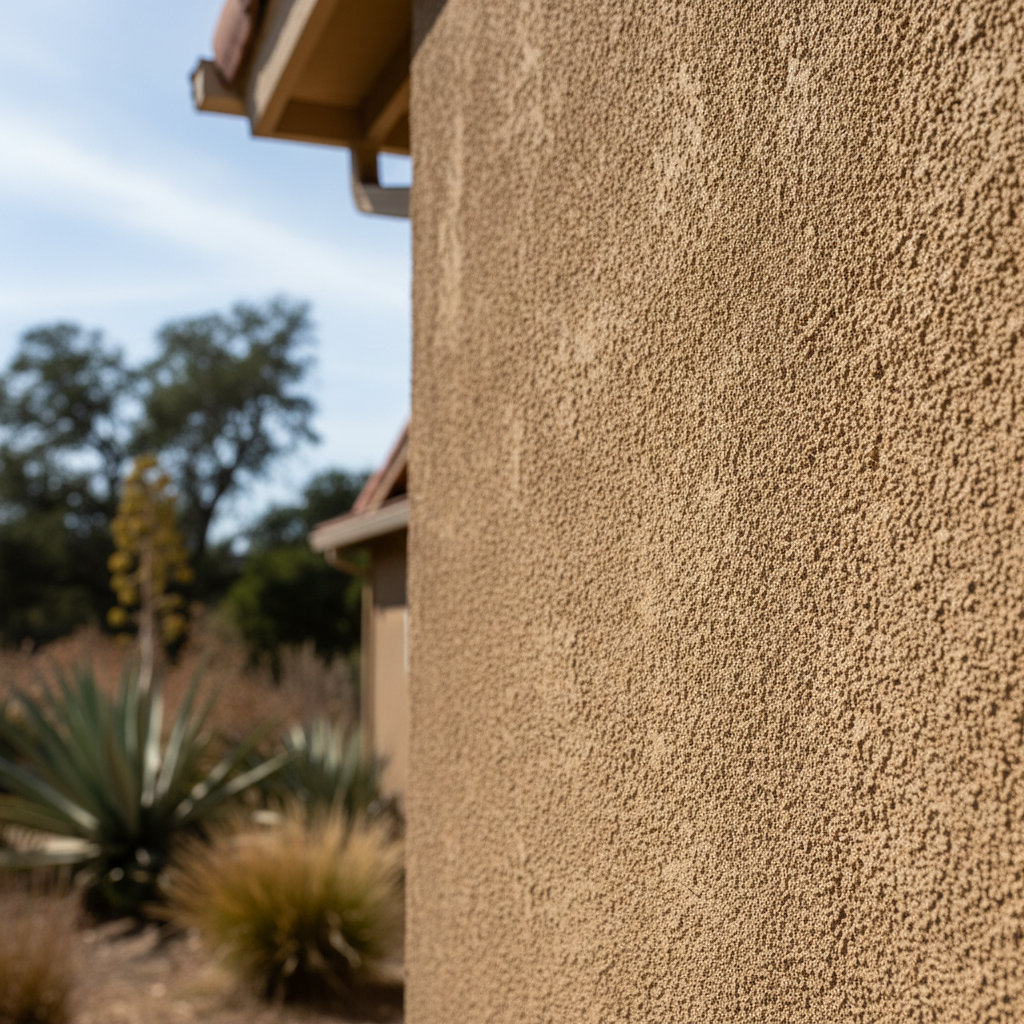
Okay, let's talk about stucco inspections. If you've got stucco on your Fremont home, you probably want to make sure it's doing its job, right? I totally get it. Stucco is a tough, good-looking finish when it's put in correctly and kept up, but like anything else, it needs a little attention. Over the years, I've picked up a few things about keeping an eye on your stucco, and when it's definitely time to pick up the phone and call someone like us at Fremont Stucco & Plastering.
Before You Even Start: A Few Things to Understand
Before you even step outside, grasp this key point: stucco resists water, but it isn't waterproof. That's a really important difference. It's built to shed water, but some moisture can and will get behind it. The whole system is actually designed to let that moisture drain back out. If that drainage system gets messed up, that's exactly when you'll run into big, expensive problems like rot and mold.
When you're inspecting, your main goal is to catch small issues before they blow up into huge headaches. Think of it as a regular check-up for your house, really. You're just looking for little clues that something isn't quite right.
Your Own Stucco Inspection Checklist
You can actually do a good chunk of the initial inspection yourself. Grab a notepad, a pen, and maybe your phone camera. Walk around your house, taking your time. Here's what you should be looking for:
1. Check for Cracks
Cracks are probably the most common thing you'll spot. But not all cracks are created equal, you know? Hairline cracks, especially those that look like little spiderwebs, are often just in the finish coat and usually aren't a huge deal. You can often patch these yourself with some good quality stucco patching compound.
But here's when you should really start to worry:
- Wider cracks: If it's wider than a credit card, or if cracks seem to be getting bigger. These can let in a lot of water.
- Cracks near openings: Pay extra close attention to cracks around windows, doors, and where the stucco meets other materials, like your roofline or chimney. These are prime spots for water to sneak in if the flashing isn't doing its job.
- Horizontal cracks: Especially if they're long and run continuously. These could signal structural movement or problems with the lath behind the stucco.
2. Look for Discoloration and Stains
Do you see any dark streaks, green spots, or that white powdery stuff? Dark stains or green growth (like algae or mold) usually mean there's persistent moisture. That white powdery stuff, called efflorescence, is just mineral salts left behind when water evaporates from the stucco – which also points to moisture getting in. These aren't just ugly; they're basically flashing a big red light that water is going where it absolutely shouldn't.
3. Feel for Soft Spots or Bulges
Gently tap on the stucco with your hand, especially in areas where you've noticed stains or cracks. Does it feel soft? Does it sound hollow? If it's bulging or blistering, that means the stucco is pulling away from what's behind it, usually because of trapped moisture. If it feels soft or squishy, that's a serious sign of water damage and potential rot in the wood sheathing or framing underneath. Yikes.
4. Inspect Your Weep Screeds
This one's a big deal, and people often miss it. The weep screed is that metal or plastic strip right at the very bottom of your stucco wall, just above the foundation. It has tiny holes or a gap to let any water that gets behind the stucco drain out. Make sure it's not buried by soil, landscaping, or even paint. It absolutely needs to be clear and open. If it's buried, water can get trapped, leading to major, major problems.
Here in Fremont, especially with our occasional heavy rains, proper drainage around your foundation and weep screeds is super important. The soil around here, particularly in areas like the Mission San Jose foothills, can hold a lot of moisture, so you really don't want it sitting against your stucco.
5. Check Flashing and Sealants
Take a look at all the spots where stucco meets another material: around windows, doors, utility penetrations (like pipes or electrical boxes), and at rooflines. There should be flashing and sealant (caulk) in good shape. If you spot gaps, cracks in the caulk, or areas where the stucco is pulling away from the trim, that's basically an open invitation for water to come right in.
When It's Time to Call a Pro (That's Us!)
You can totally handle patching minor hairline cracks. But for anything beyond that, you really need to bring in a professional stucco contractor. Seriously, don't try to DIY major repairs. It usually just leads to bigger, more expensive problems down the road.
Here's when you absolutely, positively should call Fremont Stucco & Plastering or another qualified expert:
- Any signs of moisture intrusion: This includes significant staining, mold, bulging, soft spots, or a musty smell inside your home. We've got specialized tools like moisture meters and thermal cameras that can find hidden water behind the stucco without messing up your walls. These tools are crucial because you can't always see the problem from the outside, can you?
- Wide or spreading cracks: If cracks are getting bigger, or you have a whole bunch of them, especially around stress points.
- Damaged weep screeds: If your weep screed is buried, damaged, or even missing.
- Repeated problems: If you've patched an area yourself and the same problem just keeps coming back.
- Before buying or selling: A professional stucco inspection gives you real peace of mind and can be a vital part of any real estate transaction.
A professional inspection for a typical home in Fremont might run you anywhere from $500 to $1,500, depending on the size and how complicated your house is. That might sound like a lot, but it's a small investment compared to the tens of thousands you could end up spending to fix extensive water damage and rot if a problem goes unnoticed.
After the Inspection: What Happens Next?
If you find minor issues you can take care of, great! Get them fixed fast. Don't let a small crack turn into a big one. If you call us in, we'll give you a detailed report of what we found, complete with photos, and clear recommendations for repair. We'll explain exactly what needs doing, why it's necessary, and what to expect during the repair process.
Regular maintenance, like a quick visual check every year and keeping your stucco clean, really helps extend its life. Your stucco is a big part of protecting your home and making it look good. Taking care of it means taking care of your investment, plain and simple.