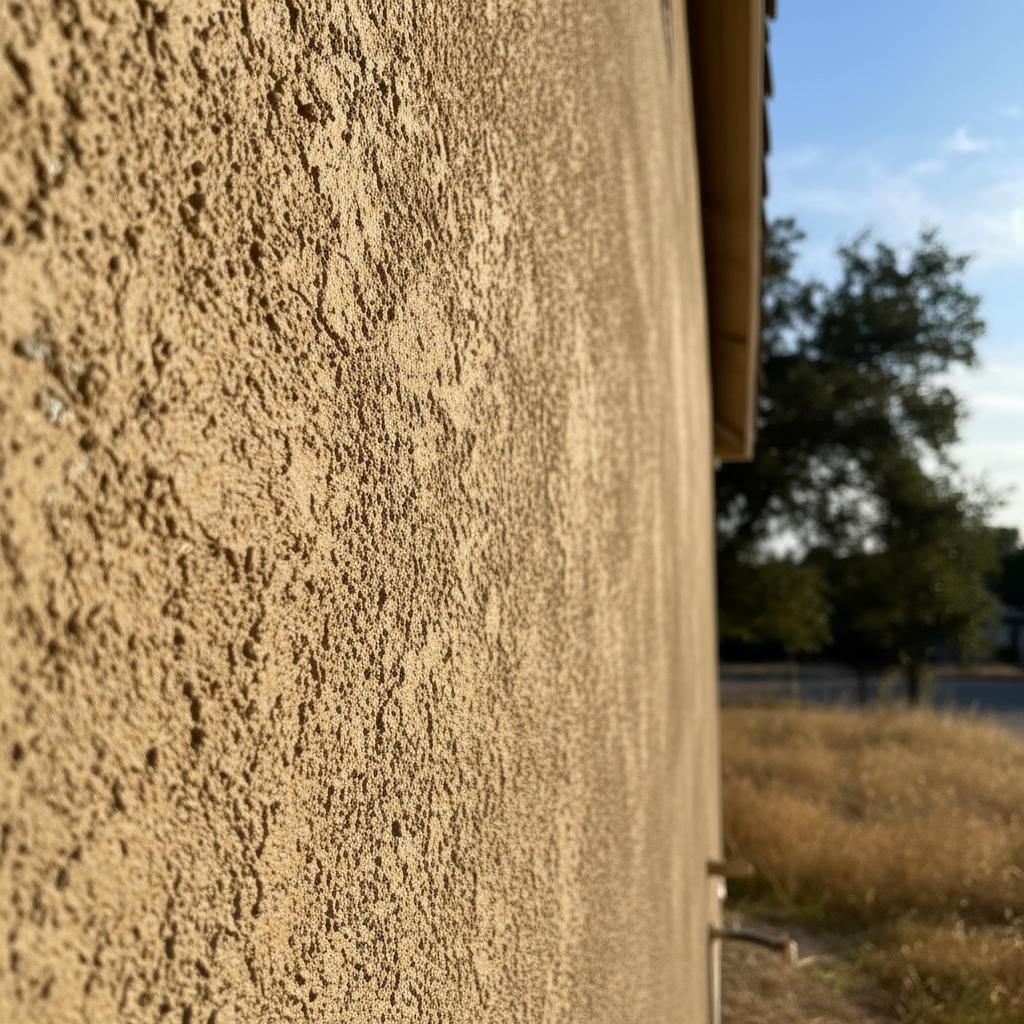
So, you're looking at your house, maybe it's an older place in the Niles district, and you're thinking, 'This stucco has seen better days.' Or perhaps you just want a different look entirely. Whatever the reason, taking off stucco is a serious job. It's nothing like painting a wall, believe me. You really need to know what you're getting into before you even think about grabbing a hammer.
Before You Even Think About Removing Stucco
First things first: why are you taking it off? Is it busted up? Or just plain ugly? Knowing your 'why' helps you figure out your 'how.' If your stucco is actually failing – we're talking big cracks, bulging spots, or water getting in – you're not just removing it; you're dealing with a symptom of a much bigger problem. There might be rot hiding underneath, especially if your home has weathered a few wet Fremont winters without proper upkeep. That's a whole different ballgame, isn't it?
Next, try to figure out what kind of stucco you actually have. Is it the traditional three-coat stuff, or is it something like EIFS (Exterior Insulation and Finish System)? Getting rid of EIFS is a lot different and often more complicated, usually best left to folks who really know their way around it. Traditional stucco, on the other hand, can be a bit more straightforward, but it's still a messy, back-breaking job.
Also, give some thought to what's underneath. Most stucco goes over a lath (that's metal or wire mesh) which is then attached to a substrate, usually plywood or OSB. You'll need to know if that substrate is solid, because if it's not, you're looking at replacing that too. Oh, and don't forget about lead paint or asbestos. Older homes, especially those built before the 1980s, could have these nasty surprises lurking in the stucco or the layers beneath. You absolutely, positively need to get that tested before you start disturbing anything. You certainly don't want to expose yourself or your family to that stuff.
What You Can Realistically DIY
Let's be honest, for most homeowners, 'stucco removal' actually means taking off a small section for a repair, not stripping the entire house. If you're tackling a small patch, say just a few square feet where you've got some localized damage, you can probably handle that yourself. You'll need some basic tools: a hammer, a chisel, a pry bar, safety glasses, gloves, and a dust mask. Maybe a tarp to catch all the debris. You'd carefully chip away the old stucco, making sure not to damage the lath or the wall underneath. It's dusty, it's tiring, but for a small area, it's totally doable.
Getting the area ready is also something you can do. Moving plants, covering windows, setting up scaffolding (if you're comfortable and it feels safe) – that's all within a homeowner's reach. But when it comes to actually tearing down an entire wall or, heaven forbid, a whole house, that's usually where the DIY line gets crossed.
When to Call Fremont Stucco & Plastering (or another pro)
Here's the real deal: if you're talking about removing stucco from an entire side of your house, or the whole darn thing, you're looking at a massive project. It's not just about chipping away. It's about:
- Safety: Working way up high, dealing with heavy debris, and the potential for exposure to hazardous materials.
- Time: This isn't a weekend project. It could take weeks, even months, for a full house. Do you honestly have that kind of time?
- Mess: Stucco removal creates an unbelievable amount of dust and debris. We're talking tons of material. You'll need proper disposal, and that often means big dumpsters and careful containment to keep your neighbors happy and your property clean.
- Underlying Issues: Like I said, if there's rot, mold, or structural damage underneath, you need someone who can spot and fix those problems the right way. You definitely don't want to just cover them up again.
- The Next Step: What are you putting back on? If it's new siding or new stucco, you need a clean, properly prepped surface. Pros know how to get that done efficiently and safely.
For a full tear-off, you're going to need specialized equipment, a whole crew, and a solid plan for getting rid of all that debris. We've seen homeowners start a big stucco removal project only to get completely overwhelmed by the sheer scale, the mess, or unexpected issues they uncover. They end up calling us anyway, but now we're cleaning up a half-finished job, which can sometimes be even more complicated than starting fresh.
So, if your project is anything more than a small, localized repair, save yourself the headache, the backache, and potentially a lot of money in mistakes. Give a local stucco contractor a call. We can come out, assess the situation, tell you what's involved, and give you a realistic idea of the cost and timeline. For a big job, it's usually the smarter move.